Spine Problem
Ayurvedic Treatment for Spine Problems, Sciatica & Back Pain
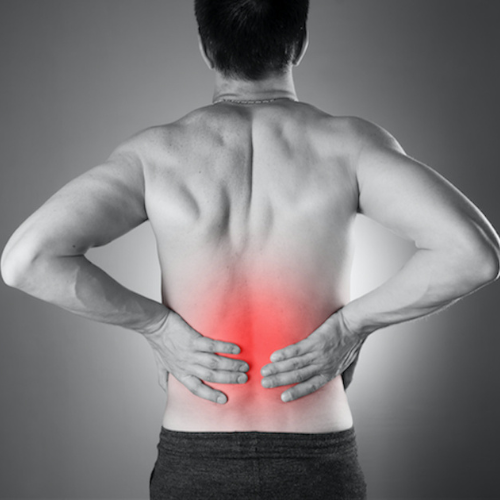
Ayurvedic treatment for sciatica focuses on fixing spine problems that are caused by nerves by restoring balance and letting the body heal itself. Most of the time, problems with the spine do not happen all at once. When most people sit, bend, or get up after resting, they feel mild back pain, stiffness, or discomfort. Over time, stress from bad posture, work habits, or physical activity can start to affect how nerves work and how you move.
Ayurveda says that an imbalance in Vata dosha, which is important for nerve function and flexibility, can cause long-term spine problems. If this imbalance keeps up, it could lead to problems like pain in the discs or sciatica. A personalized Ayurvedic treatment for back pain focuses on making the muscles that support the spine stronger, making the spine more flexible, and improving circulation around the spine. This makes it easier and more comfortable to move around every day.
- Ashwagandha: This adaptogenic herb has anti-inflammatory properties and can help reduce pain and inflammation associated with slip disc.
- Guggul: Guggul resin is known for its anti-inflammatory and analgesic properties and may be used to alleviate pain and inflammation in the affected area.
- Maharasnadi Kwath: An Ayurvedic herbal decoction containing ingredients like guggul, ashwagandha, and giloy, Maharasnadi Kwath can help reduce pain and inflammation.
Sciatica Ayurvedic Treatment for Spine Problems
Sciatica pain is something many patients describe in their own words rather than medical terms. It usually begins as discomfort in the lower back and, over time, starts travelling towards one side of the hip or leg. For some people, the pain appears after long sitting hours, while others notice it when they bend, stand up suddenly, or change posture during sleep.
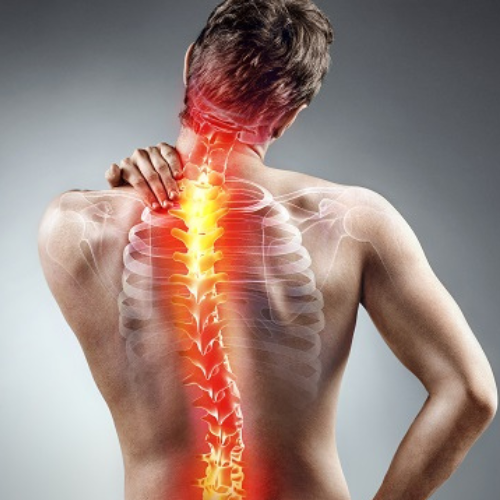
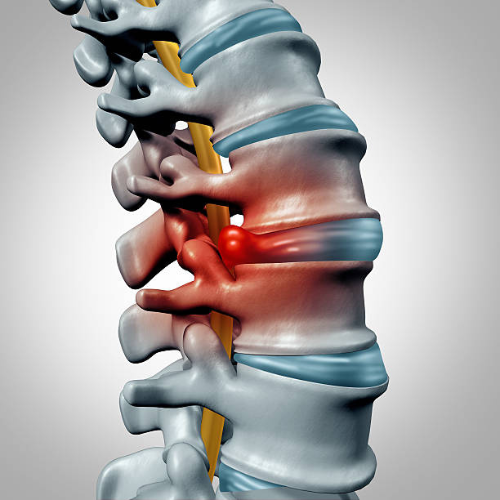
In day-to-day clinical practice, sciatica is often seen along with ongoing back strain or disc-related spine problems. From an Ayurvedic point of view, this condition develops when Vata dosha becomes disturbed and starts affecting nerve function and movement. In such cases, Sciatica Ayurvedic treatment is planned to calm nerve irritation and support natural balance in the spine, instead of focusing only on short-term pain control.
Treatment is always personalized. The intensity of pain, how long it has been present, and the patient’s daily routine are carefully considered before planning care. Along with treatment, patients are guided on posture correction, activity modification, and habits that reduce stress on the lower back. With regular care and supervision, Ayurvedic treatment can helps improve comfort, mobility, and confidence in daily movement.
- Herbal Remedies:
- Ashwagandha: This adaptogenic herb has anti-inflammatory and analgesic properties, which can help reduce pain and inflammation associated with disc bulge.
- Guggul: Guggul resin is known for its anti-inflammatory and pain-relieving properties and may be used to alleviate discomfort.
- Maharasnadi Kwath: This Ayurvedic herbal decoction contains herbs like guggul, ashwagandha, and giloy and can help reduce pain and inflammation.
- External Treatments:
- Herbal Poultices (Lepa): Applying a warm herbal poultice to the affected area can help reduce pain and inflammation. Commonly used herbs include Nirgundi, Erand, and Rasna.
- Oil Massage (Abhyanga): Gentle massage of the affected area with warm Ayurvedic oils, such as Mahanarayan oil or Dhanvantaram oil, can help improve circulation and reduce pain.
- Dietary Recommendations:
- Anti-Inflammatory Diet: Consume foods that have anti-inflammatory properties, such as turmeric, ginger, garlic, and leafy greens. Avoid inflammatory foods like processed sugars and fried foods.
- Adequate Hydration: Staying well-hydrated is essential to maintain the health of spinal discs.
- Lifestyle Recommendations:
- Proper Posture: Maintain good posture while sitting, standing, and sleeping to prevent further strain on the spine.
- Rest and Sleep: Adequate rest and sleep are crucial for the body’s natural healing processes.
- Yoga and Stretching: Gentle yoga poses and stretches can help improve flexibility and alleviate pain. Poses like Cat-Cow, Cobra, and Child’s Pose may be beneficial.
- Weight Management: Maintain a healthy weight to reduce pressure on the spine and discs.
- Detoxification (Panchakarma):
- Panchakarma therapies, such as Abhyanga (oil massage), Swedana (steam therapy), and Basti (enema), may be recommended by an Ayurvedic practitioner to detoxify and rejuvenate the body.
CERVICAL COMPRESSION
Ayurveda can offer holistic approaches to managing cervical compression, which is a condition characterized by pressure on the spinal nerves in the neck region. Ayurvedic treatments aim to reduce pain and inflammation, improve mobility, and promote overall neck and spine health. However, it’s crucial to consult with a qualified Ayurvedic practitioner for personalized guidance, and Ayurvedic treatments should complement conventional medical advice. Here are some Ayurvedic strategies for managing cervical compression:
- Herbal Remedies:
- Ashwagandha: This adaptogenic herb has anti-inflammatory and analgesic properties that can help reduce pain and inflammation associated with cervical compression.
- Guggul: Guggul resin is known for its anti-inflammatory and pain-relieving properties and may be used to alleviate discomfort.
- Maharasnadi Kwath: An Ayurvedic herbal decoction containing herbs like guggul, ashwagandha, and giloy can help reduce pain and inflammation.
- External Treatments:
- Herbal Poultices (Lepa): Applying a warm herbal poultice to the affected area can help reduce pain and inflammation. Commonly used herbs include Nirgundi, Erand, and Rasna.
- Oil Massage (Abhyanga): Gentle massage of the neck and upper back with warm Ayurvedic oils, such as Mahanarayan oil or Dhanvantaram oil, can help improve circulation, reduce pain, and promote relaxation.

LUMBAR COMPRESSION
Ayurveda offers holistic approaches to managing lumbar compression, which is a condition characterized by pressure on the spinal nerves in the lower back (lumbar) region. Ayurvedic treatments aim to reduce pain and inflammation, improve mobility, and promote overall lumbar and spine health. However, it’s essential to consult with a qualified Ayurvedic practitioner for personalized guidance, and Ayurvedic treatments should complement conventional medical advice. Here are some Ayurvedic strategies for managing lumbar compression:
- Herbal Remedies:
- Ashwagandha: This adaptogenic herb has anti-inflammatory and analgesic properties that can help reduce pain and inflammation associated with lumbar compression.
- Guggul: Guggul resin is known for its anti-inflammatory and pain-relieving properties and may be used to alleviate discomfort.
- Maharasnadi Kwath: An Ayurvedic herbal decoction containing herbs like guggul, ashwagandha, and giloy can help reduce pain and inflammation.
- External Treatments:
- Herbal Poultices (Lepa): Applying a warm herbal poultice to the affected area can help reduce pain and inflammation. Commonly used herbs include Nirgundi, Erand, and Rasna.
- Oil Massage (Abhyanga): Gentle massage of the lower back with warm Ayurvedic oils, such as Mahanarayan oil or Dhanvantaram oil, can help improve circulation, reduce pain, and promote relaxation.
- Dietary Recommendations:
- Anti-Inflammatory Diet: Consume foods that have anti-inflammatory properties, such as turmeric, ginger, garlic, and leafy greens. Avoid inflammatory foods like processed sugars and fried foods.
- Adequate Hydration: Staying well-hydrated is essential to maintain the health of spinal discs and reduce stiffness.
SCIATICA
Ayurveda offers holistic approaches to managing sciatica, a condition characterized by pain radiating along the sciatic nerve, which runs from the lower back down through the buttocks and legs. Ayurvedic treatments aim to reduce pain, inflammation, and discomfort, improve mobility, and promote overall spine health. However, it’s essential to consult with a qualified Ayurvedic practitioner for personalized guidance, and Ayurvedic treatments should complement conventional medical advice. Many patients prefer Sciatica Ayurvedic treatment as it supports long term spine health without aggressive intervention.
Here are some Ayurvedic strategies for managing sciatica:
Herbal Remedies:
- Ashwagandha: This adaptogenic herb has anti-inflammatory and analgesic properties that can help reduce pain and inflammation associated with sciatica.
- Guggul: Guggul resin is known for its anti-inflammatory and pain-relieving properties and may be used to alleviate discomfort.
- Maharasnadi Kwath: An Ayurvedic herbal decoction containing herbs like guggul, ashwagandha, and giloy can help reduce pain and inflammation.